Crumbs, spills and food-contact surfaces
- Use a dry pastry brush to sweep toaster crumbs into the bin. Unplug and cool the toaster first, and never push a knife or metal object into the slots.
- Place a removable tray or washable mat under a toaster or coffee machine. It catches crumbs and drips without putting foil inside an appliance; keep it away from hot elements.
- Hold a warm, damp cloth over dried bench residue before wiping. Moisture softens the film, but do not soak timber edges, unsealed stone or laminate joins.
- Clean blender blades by adding water and a small amount of dishwashing liquid, then using the appliance only if its manual permits. Unplug before handling blades and never put your hand into the jug.
- Use a soft toothbrush for grout lines, tap bases and appliance seams. Reserve the brush for cleaning and rinse it after use; test first on painted or delicate finishes.
Grease and appliances
- Soak a removable washable rangehood filter in warm water with a suitable amount of dishwashing liquid only when the appliance manual permits it. Keep the filter away from flames and electrical components, rinse it thoroughly and allow it to dry completely before refitting.
- Use a paper towel to lift surface grease before applying detergent. This reduces dirty rinse water, but put oily paper in the rubbish rather than flushing it or pushing grease down a drain.
- Put rangehood filters through the cleaning method specified by the manufacturer. Some filters are washable and others are disposable; do not assume a dishwasher or caustic degreaser is suitable.
- Soften dried microwave food with steam from plain water, then wipe with a cloth. Do not operate a damaged microwave, block vents or use metal inside it.
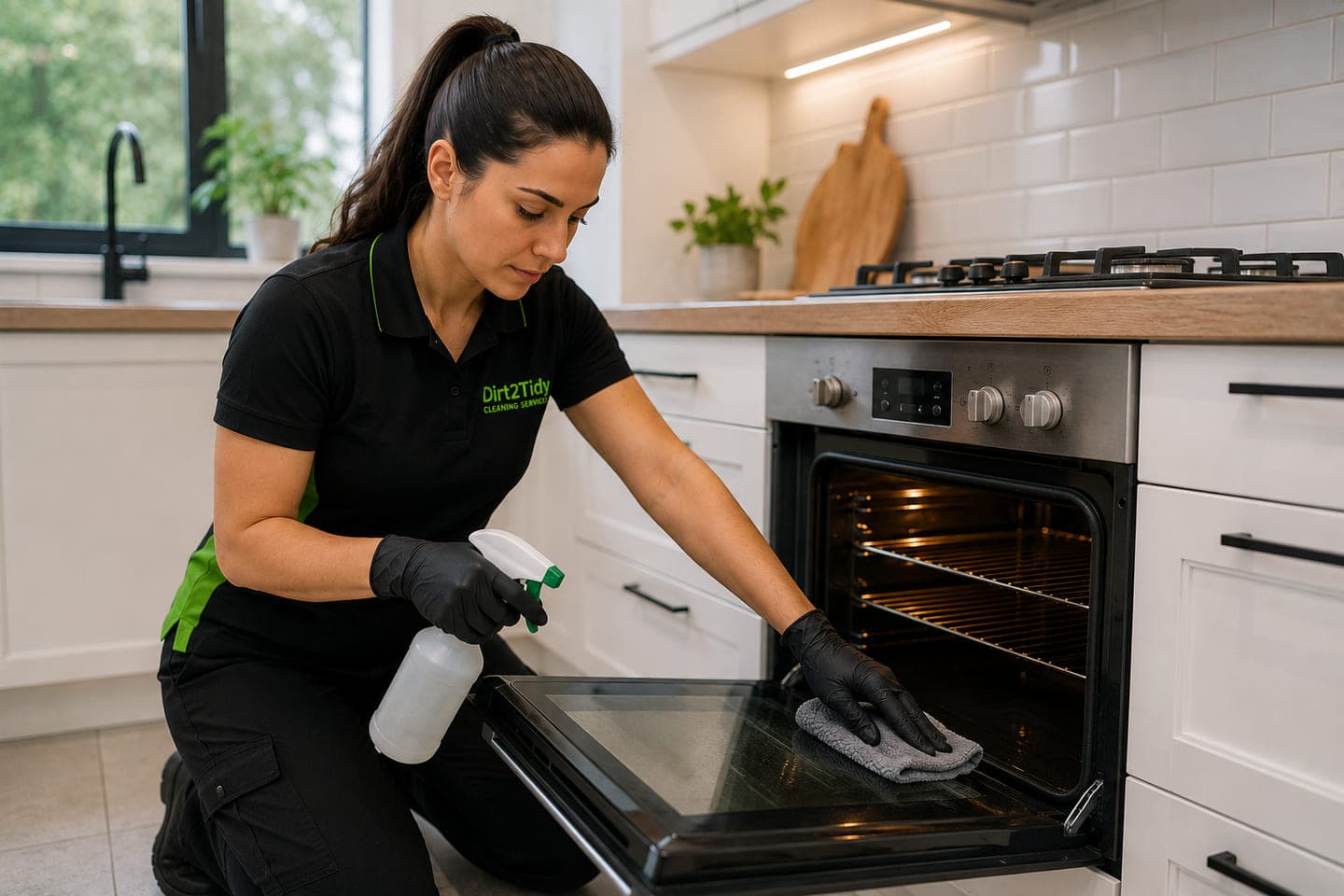
- Clean an oven door with the product approved for its glass and coating. Avoid blades, abrasive pads and products near seals; use professional oven cleaning when grease is baked on and the manual does not support aggressive treatment.
Sinks, cupboards and floors
- Use a removable shelf liner in a pantry or refrigerator. Choose a food-safe, washable liner and keep it flat; adhesive films can damage finishes and do not replace cleaning spills.
- Place a small washable mat in front of the sink to catch drips. Dry the floor underneath regularly and use a mat that is safe for the floor, because trapped moisture can damage timber or laminate.
- Use a soft cloth wrapped around a blunt, non-metal tool to reach the gap beside a cooker. Do not use a knife, force an appliance or clean near live electrical parts.
- Wipe the sink strainer after each cooking session and empty food into the bin. Never pour oil down the drain and never combine drain cleaners with another product.
- Vacuum kitchen edges before mopping. The dry pass collects grit that could scratch floors; choose a floor-safe solution and use minimal water on timber, stone or laminate.
Limits and professional help
These tips work only when the surface and appliance allow them. Stop if a finish becomes cloudy, scratched, sticky or discoloured, and check the manufacturer’s instructions.
Dirt2Tidy can quote for a domestic kitchen reset when grease, cupboards and accessible surfaces need coordinated attention; the focused oven service is more suitable for a heavily soiled oven interior.